39. Selecting a Colorbond Fence Installer for Steel Long Life
A fence is just one of those purchases you just see when it stops working. Up until after that, it rests there doing its job, taking sun, wind, dirt, rain, and the occasional youngster on a bike that determines the "short-lived" gap is an excellent shortcut. With Colorbond fencing and Colorbond fence installation, the assumption is simple: it needs to look helpful for years, remain structurally audio, and withstand corrosion without becoming an upkeep project.
The part most house owners get wrong is presuming the item is the whole tale. Steel long life is greatly influenced by the installer. Not the advertising and marketing sales brochure. The installer's details, handiwork, and understanding of how steel behaves in genuine seaside and inland conditions.
If you're choosing a Colorbond fence installer, you're not simply getting quotes. You're acquiring exactly how your posts are established, exactly how the rails are lined up, exactly how fasteners are picked, exactly how voids are managed, and just how the build is finished where rust usually starts.
Longevity starts prior to the initial panel is even lifted
Steel fences usually live or die by the undetected decisions. When I have actually viewed knowledgeable fencing home builders function, the distinction is rarely concerning speed. It has to do with restriction and method. Excellent installers decrease at the components that matter: base prep work, article positioning, and the means they stop water and caught dampness around the structure.
A Colorbond fence builder who understands deterioration danger deals with the base like the structure it is. That means they don't "make it work" when dirt conditions change. If the ground is sandy, large, or susceptible to keeping water, the fence can resolve unevenly, producing stress factors on rails and fasteners. Over time, those anxiety factors can bring about loosened up equipment and micro-movement that accelerates surface wear and rust at call points.
Also, wind tons matters more than most people believe. A steel fence may look strong, yet it acts like a sail. If the installer underestimates spacing, overreaches with lengthy spans, or makes use of not enough supporting, the fencing will flex. Flex is the enemy of long-lasting placement. Even if the panels remain undamaged, the rails and fixings can function themselves loose over years.
Here's a story that maintains coming back for me. A client once revealed me a fence that "looked fine" however had begun to establish a repeating pattern of loose fixings along one run. When we traced it back, the fence line had a small contour and the blog posts were not established continually deep. The fence wasn't collapsing, but each gust developed a little activity at the base. That activity came to be the factor the dealings with progressively lost their grip.
That's the sort of problem that takes place throughout setup, not because Colorbond fence installation is naturally weak.
What "installer quality" actually means for steel
When people discuss steel long life, they frequently concentrate on finish top quality. The truth is a lot more colorbond fencing installation sensible. Finish assists, yet the steel system is only as durable as the assembly.
Colorbond fencing is designed to be durable, yet the method panels are fixed and supported can still establish whether the fencing holds up gracefully or turns into a deterioration map in a couple of periods. Salt air, for instance, produces an extreme atmosphere for any kind of exposed steel components. In seaside areas, the construct requirements to be tighter since air-borne salts resolve where water gathers, and water always finds a way to linger.
An experienced Colorbond fence contractor will certainly take note of details like:
- post embedment depth and dirt call quality
- alignment so water doesn't pool along rails
- fastener choice and installment method
- avoiding damage to the layer during reducing, drilling, and handling
If you're assessing previous job, don't just look at the fencing from the road. Stroll right up to it. Look for regular rail spacing, neat cuts, no apparent covering scratches around mendings, and a consistent finish line. If you see unpleasant cut edges with misuse, assume the exact same carelessness can show up near fasteners and infiltrations. Those are the areas where deterioration typically begins first.
Fasteners and infiltrations: the quiet failure points
Most homeowners don't think about repairings until something rattles. Yet bolts are a major part of how long a steel fencing does, specifically at the points where the covering is interrupted.
A Colorbond fence maker may produce outstanding sheet material, however if the setup utilizes the incorrect bolts or installs them poorly, you can still create rust chances. For steel settings up, the largest threats are:
- Coating damages around holes or pierced points
- Fasteners set up at angles that compromise the grip
- Water relaxing infiltrations as opposed to draining away
- Inconsistent torque that brings about loosening up over time
A solid Colorbond fencing installer does not treat fasteners like a second thought. They match hardware to the system, and they mount with like avoid gouging or imbalance. They likewise comprehend that rails and panels must be safeguarded in such a way that lowers long-lasting micro-motion, because micro-motion ways duplicated scrubing, wear, and loosened fixings.
If you ask a contractor about their fastening method, listen for specifics. Vague answers like "we just utilize good quality screws" are not nearly enough. You intend to listen to that they follow an approach that values coating honesty and setting up stability.
Post setup is where great installs separate from hurried ones
Posts are the fence's skeleton. If they're set wrong, even a flawlessly coated panel will not rescue the structure. Poor article establishing creates the usual suspects: leaning, drooping, gaps expanding, and stress on rails.
A quality Colorbond fence installation normally involves more than "dig a hole and put concrete." Dirt type, water drainage, and deepness all influence exactly how the blog post behaves. In some dirts, water can kick back the base much longer than you would certainly anticipate, raising the risk of corrosion at ground degree and decreasing stability.
I have actually seen fences where the posts were mounted with irregular depth along the exact same run. The fence looked directly at first. Then after a wet period, you might see a refined diagonal change. That change converted into rail anxiety, and within a couple of summer seasons, the rails started to reveal a pattern of looseness.
A strong installer make up variant. They gauge, they set messages constantly, and they ensure the base is stable and lined up. That implies you obtain a fence that does not "work" under wind and thermal growth, and that straight supports steel longevity.
Thermal motion is one more factor to develop with proper spacing and alignment. Steel increases and contracts. A fencing that's forced into an unrealistic alignment or constructed with stress can create anxiety at dealings with. In time, anxiety plus weather condition equals loosening.
Coastal, inland, and the truth of regional exposure
Longevity is not only regarding rust resistance. It's additionally regarding exposure danger. A Colorbond fence installer working in seaside locations faces a different trouble set than one building in inland areas with reduced salt exposure.
Coastal problems introduce more frequent wetting by salt-laden air, and salt down payments collect throughout damp weather. That's why you may listen to various guidance from installers in coastal communities versus inland residential areas, even when they're making use of the same Colorbond fencing system.
Here's how this ought to appear in the build:
- careful placement so water sheds as opposed to pools
- minimal finishing damage at cut and drilled points
- consistent hardware usage, mounted cleanly
- attention to exactly how the fence ends at messages and corners
In inland problems, warm biking becomes more famous. Panels can expand and contract through the seasons. A fence developed with inadequate tolerances or forced alignment will certainly show put on faster, usually at the rail and fastener interface.
The installer you choose need to ask inquiries regarding your place and your lawn. If they do not ask anything, they may be valuing as well broadly. Much better service providers will certainly wish to know whether the fencing runs near salt exposure, whether the ground is sandy, and whether you're taking care of slopes, drain lines, or frequent watering overspray.
Quotes aren't simply cost, they're proof of method
Colorbond fence installation quotes can vary commonly. In some cases the distinction is simply cost of products. Commonly, though, it's the labor and the approach. You can secure yourself by needing quality on what's included.
A vibrant step when choosing a Colorbond fence contractor is to ask for details that reveal whether they mount to a standard or to a guess. For instance, ask just how they establish messages, what they use for supporting and straightness control, and just how they deal with cutting and drilling without harmful coatings.
You can likewise request to see documents of the items they'll set up and the warranties they supply. Beware with obscure warranty talk. The best conversation is about what's covered, for the length of time, and what activities invalidate coverage, especially if the concern is craftsmanship related.
If an installer can not plainly clarify their procedure, or they won't respond to straight questions, that's a red flag. Fence durability relies on several small actions, and vague contractors often tend to treat the construct like a blur. You don't desire blur where deterioration can hide.
A brief installer vetting list (the kind I would certainly make use of on my very own location)
- Show me exactly how you set blog posts, and what deepness you target for my dirt conditions
- Explain your fastening technique, including how you protect covering at cuts and infiltrations
- Give me examples of similar installs near seaside or windy exposure (if appropriate)
- Detail the straightness method you use throughout installation, particularly for lengthy fencing runs
- Outline what's included in the quote, and what's left out, in ordinary language
That listing sounds easy, yet great installers do well addressing these points. Poor ones stay clear of specifics.
The finishing work that influences corrosion over time
Most corrosion troubles begin tiny. They're not constantly remarkable rust spots you can point at immediately. Often it's the accumulation of grime in a harsh cut line. Sometimes it's entraped moisture behind a sloppy sign up with. In some cases it's a layer scrape near a fastener that was never repaired properly.
A Colorbond fence installation must be do with the expectation that rainfall will repetitively hit it. Water does not just saturate panels. It runs along sides, collects at horizontal surfaces, and carries dust that can hold moisture longer than the climate seems to justify.
So completing issues. Search for tidy, consistent edges and neat rail positioning. Watch exactly how the installer takes care of trimming near corners and gates. If the finish around an entrance structure is harsh, you can wager the finish has been emphasized there as well. Entrance locations are additionally where motion is greatest. Movement is massaging, massaging is wear.
If you're selecting between installers, do not evaluate only by the first look on the day of completion. Court by how cool the develop is at the factors where you can visualize water collecting.
Straightness, spacing, and wind: the structural trade-off individuals ignore
A fencing that looks ideal on the first day can still fail earlier if it was constructed with an "acceptable" compromise that isn't appropriate for your wind exposure.
Steel panels can withstand influence and climate, however the system still needs right spacing and strong assistance. If a professional utilizes bigger spans to minimize product expense, you can wind up with raised flex. Flex causes eventual misalignment, and imbalance brings about troubles with repairings and closing voids at gates.
A cautious installer will certainly review exactly how your fence line behaves. They should consider property boundaries, dominating winds, and panel size. They might not be significant about it, yet their strategy must mirror genuine structural thinking.
If you live on an exposed block, you should expect a stronger stance on supporting and post spacing. If you're setting up a fence near to a limit with restricted room for support, the installer's technique ends up being even more important.
Also, spacing influences debris accumulation. A fencing with irregular gaps can catch leaf litter and moisture at certain points. That does not automatically trigger corrosion, however it develops conditions that speed up surface wear and coating degradation over time.
Gates and fence interfaces: where workmanship shows
A fencing without an entrance is unusual, and gateways are where steel assemblies are asked to move. Hinges, latch points, and gateway frameworks create extra stress and anxiety on sustaining articles and rails. If the gate hardware is installed without accuracy, you might obtain drooping or binding. Binding brings about forced closure. Required closure causes misalignment. Misalignment brings about enhanced wear at fixings.
When choosing a Colorbond fencing installer, don't deal with the gate like a separate job. Treat it as a high-stress part of the fence system.
You intend to see a professional that lines up gateway frameworks properly and mounts them with long-lasting motion in mind. An excellent installer makes certain eviction swings without dragging, which the lock involves cleanly. If you listen to grinding or really feel resistance throughout operation at completion, that's not a "working out problem." It's a craftsmanship concern that will only get worse as weather changes.
What to ask prior to finalizing, past the obvious
Many property owners ask, "How much?" They should likewise ask, "How do you stop issues?" The even more the installer can describe their approach, the much better your probabilities of steel longevity.

Here are functional concerns that usually get straightforward responses:
- "How do you ensure posts remain right over the full fencing run?"
- "What do you do if you strike rocks or poor soil mid-install?"
- "Exactly how do you take care of exploration and cutting so finishes aren't harmed?"
- "Do you supply a handiwork guarantee, and what does it cover?"
- "What is your cleansing and touch-up process after setup?"
A solid Colorbond fence contractor won't deal with these as problem concerns. They'll answer directly. If the reaction is incredibly elusive, you're checking out a specialist that might be proficient at completing work, but not solid on the design details that secure longevity.
Common red flags I've seen with Colorbond fence installation
There are patterns that turn up repeatedly across different jobs. Some are aesthetic, others are structural.
One reoccuring warning is rushing with site preparation. If the installer isn't careful concerning base clearing up, gauging, and setting blog posts constantly, the fencing might look great briefly and afterwards develop issues after wind and rainfall reveal the underlying weaknesses.
Another warning is "one dimension fits all" setup recommendations. Every backyard has its very own direct exposure and dirt conditions. If a specialist suggests the very same approach for every site without asking inquiries, think they're not constructing with your problems in mind.
Finally, enjoy how they take care of damaged finishing. If you see them working around scratches with no adjustment strategy, that's an indication the installer may not take covering honesty seriously. With steel, little finish breaches matter due to the fact that dampness and salts locate them.
Your duty in safeguarding the fence after installation
Even with an exceptional installer, upkeep still matters. The objective isn't daily chores. The objective is to avoid letting corrosion-friendly problems persist.
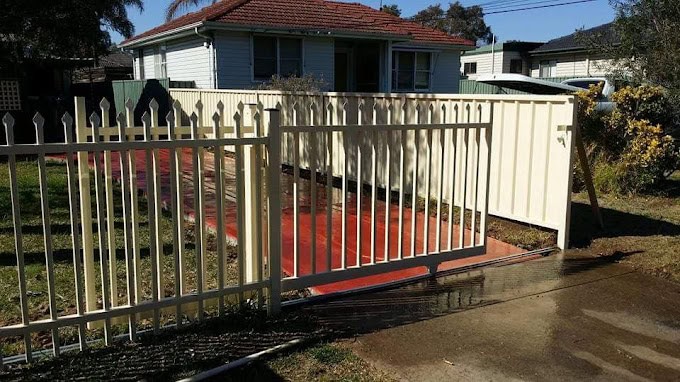
After installation, remember of just how the fence sits in your yard. If sprinkler overspray hits the rails repeatedly, that's a wetness routine. If fallen leaves and mulch frequently collect along a railway, that's a wetness and gunk practice. Both can shorten the reliable life expectancy, even when the steel is coated.
With Colorbond fencing, routine cleansing is usually about getting rid of gunk, not strongly scrubbing layers off. If you're in a seaside location, a mild laundry using suitable techniques can help reduce salt buildup. The exact approach depends upon neighborhood problems and the surface, so comply with the supplier's cleansing advice when you can. When unsure, ask your installer what they suggest for your environment.
Also, inspect the fencing occasionally. Not fanatically. Look for loose dealings with, motion at articles, and finish damages where somebody has actually struck it with devices, grass tools, or a trailer. Capturing issues early stops tiny issues from coming to be structural ones.
Choosing the ideal installer is choosing your fence's future
Colorbond fencing installation is not a solitary choice. It's a chain of decisions that occur from the first website visit to the last touch-up. The installer you choose establishes just how well that chain holds together under rainfall, wind, warm, and salt exposure.
If you desire durability, do not simply compare cost. Compare approach. Ask just how posts are established. Ask exactly how fasteners are selected and installed. Ask just how cuts are taken care of and exactly how finishes are secured. Then check out their workmanship very closely, not simply from throughout the street.
A good Colorbond fencing installer builds for the future, except the handover photo. They recognize that steel durability is primarily about avoiding the tiny failings that bring about larger ones. When you choose a Colorbond fence contractor with that said mindset, you're not betting on the product. You're buying craftsmanship that respects how steel performs over time.
And that is the difference in between a fence that still looks solid years from currently, and one that starts quietly providing you troubles quicker than it should.